
This month, we’re doing things a little differently. Instead of several short updates, July’s newsletter takes a closer look at one initiative that’s helping shape the future of decentralized diagnostics: the UTI-Diag project and our recent participation in Dakar.

About UTI-Diag
UTI-Diag is an international collaboration focused on improving the diagnosis and management of urinary tract infections (UTIs), while supporting more responsible antibiotic use and expanding access to innovative diagnostic solutions in low-resource settings.
The project brings together 11 partner organizations across 7 countries and is coordinated by Karolinska Institutet. The initiative is co-funded by the European Union through Global Health EDCTP3 and UK Research and Innovation.
In June, partners gathered in Dakar, Senegal, for the International Conference on Diagnostic Innovation in Sub-Saharan Africa and the first annual UTI-Diag consortium meeting. The event was organized and hosted by Institute Pasteur de Dakar.
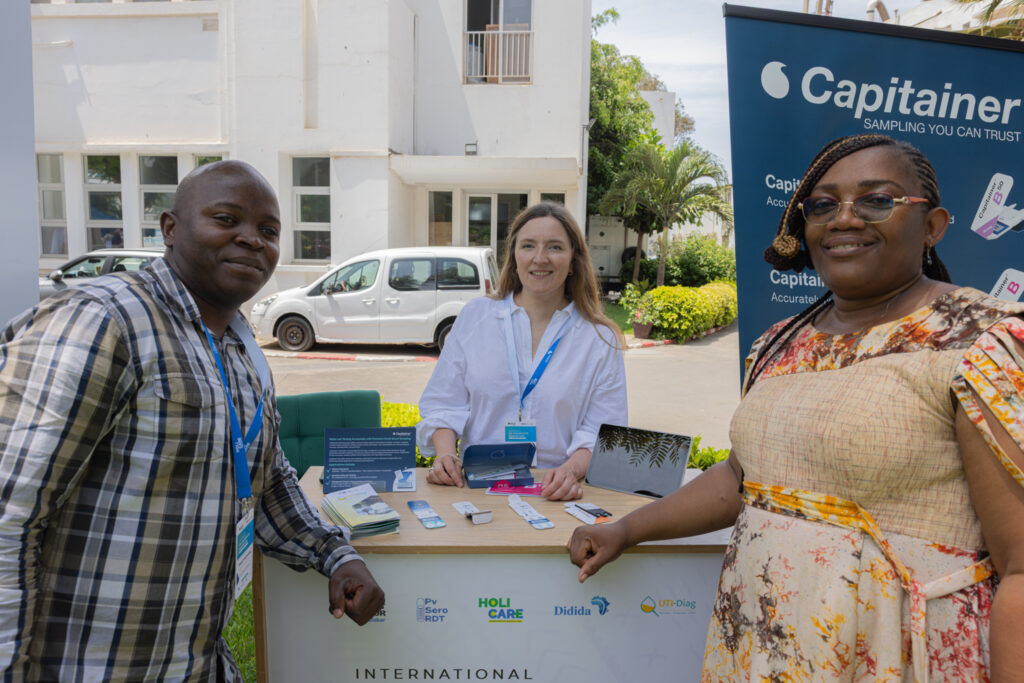
Representing Capitainer AB, our R&D Manager Anna Ohlander participated in several days of scientific exchange, workshops, training activities, and strategic discussions together with researchers, healthcare professionals, industry representatives, and consortium partners from across Europe and Africa.
Capitainer’s Contribution
Within the UTI-Diag project, Capitainer contributes its microsampling technologies for decentralized diagnostics.
Capitainer®DIP70 is being used for DNA-based detection and identification of pathogens causing urinary tract infections, enabling reliable urine sampling for molecular analysis.
In parallel, Capitainer’s plasma microsampling technology is being further optimized to provide a cost-effective solution that meets the sample volume requirements for complementary biomarker analysis in UTI diagnostics.
Opening the Conference
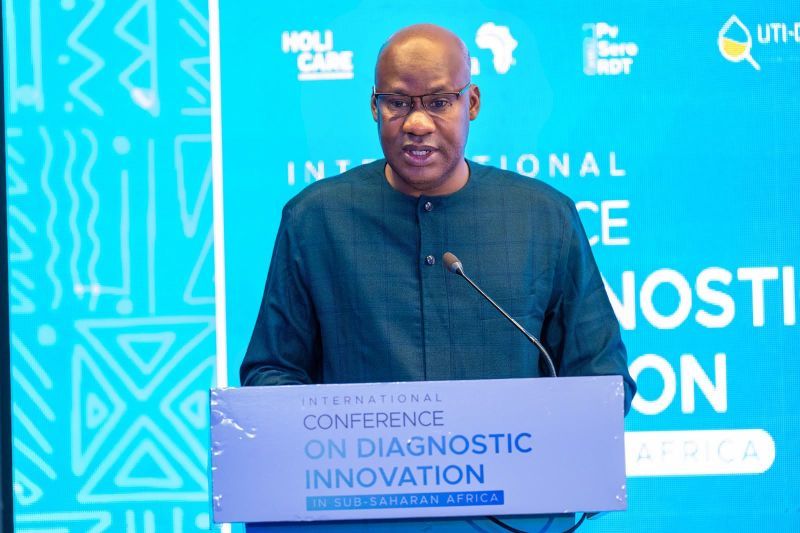
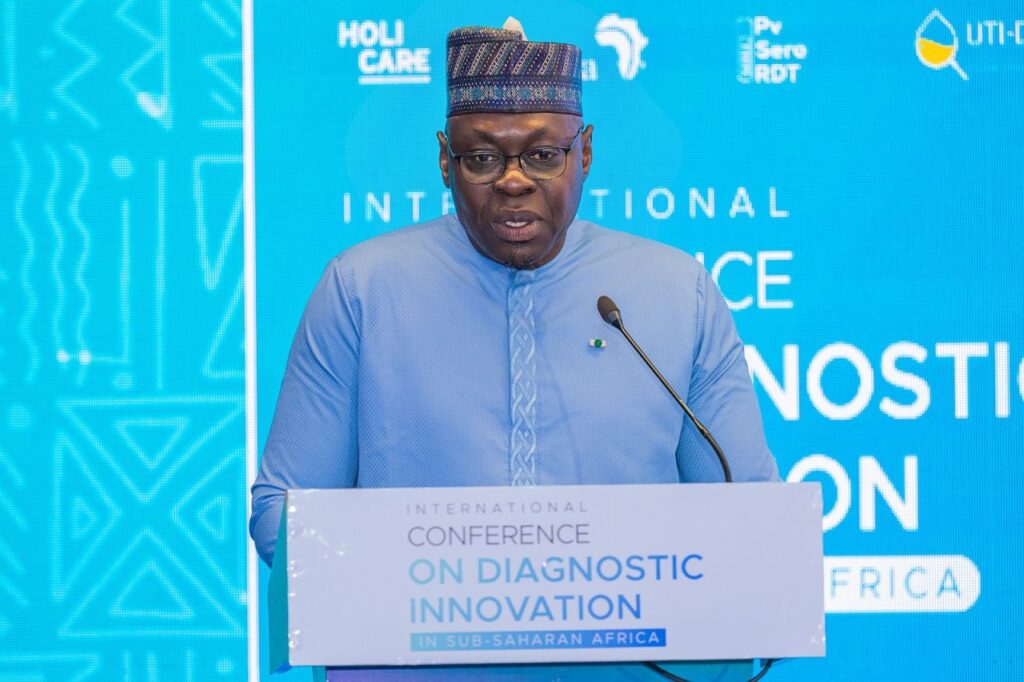
The conference opened with an official ceremony, attended by Dr. Ibrahima Socé Fall, CEO of Institut Pasteur de Dakar, and Dr. Ibrahima Sy, Minister of Health and Social Action of Senegal.
The opening discussions highlighted the important role of innovative diagnostics in improving patient care and strengthening healthcare systems across Sub-Saharan Africa, with a particular focus on combating antimicrobial resistance and expanding access to reliable diagnostic solutions.
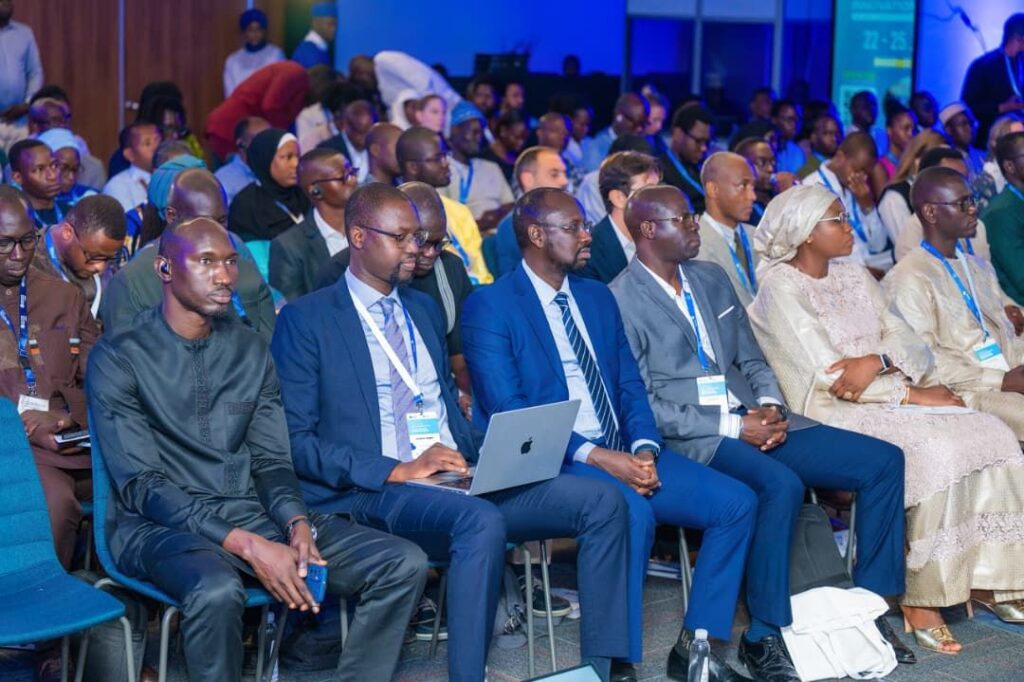
The event brought together international research initiatives, public health stakeholders, academic institutions, and industry partners, all working toward more accessible and context-adapted diagnostics.
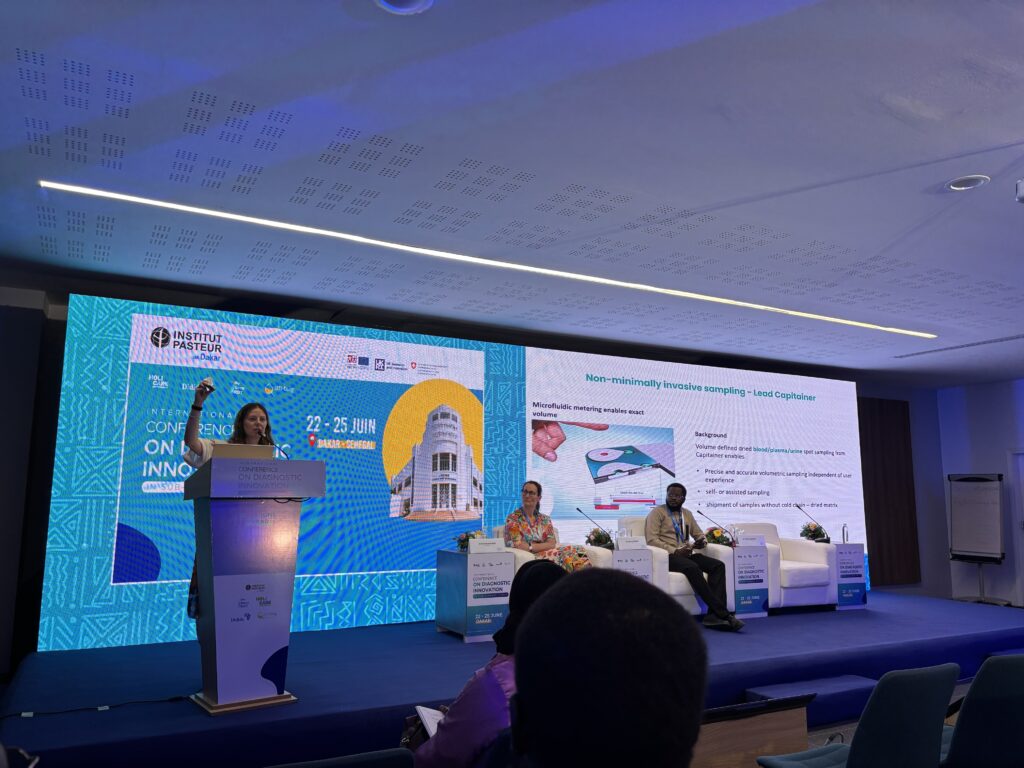
Innovation, Collaboration & Training
Throughout the week at Institut Pasteur de Dakar, participants took part in scientific sessions, poster presentations, workshops, and collaborative meetings focused on advancing diagnostics and their implementation in low-resource settings.
The program included:
- Scientific presentations and panel discussions on diagnostic innovation and healthcare systems in Sub-Saharan Africa
- A visit to Diatropix’s ISO 13485-certified manufacturing facility for rapid diagnostic tests
- Poster presentations by young researchers
- Hands-on workshops covering microscopy, PCR, rapid diagnostic tests, and molecular methods
- Industry and innovation booths, including Capitainer
A strong focus throughout the event was collaboration, training, and long-term capacity building to support future diagnostic innovation in the region.
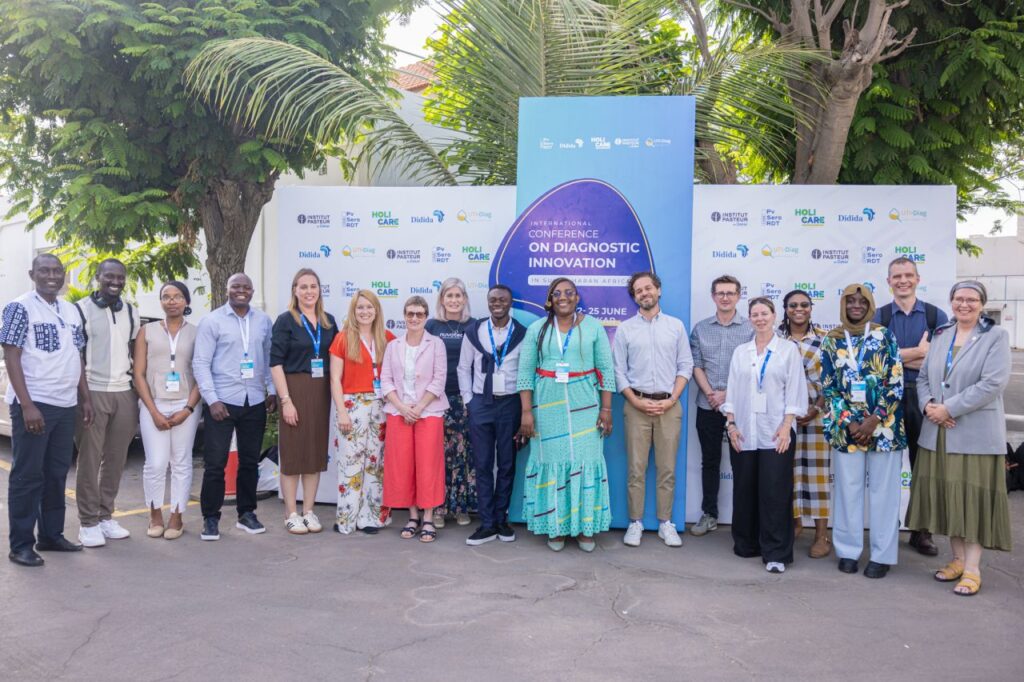
First Annual Consortium Meeting
The Dakar meeting also marked the first annual UTI-Diag consortium meeting, where all 11 project partners reviewed progress from Year 1 and discussed priorities for the next phase of the project.
Topics included scientific progress across work packages, implementation activities in Cameroon and Senegal, data management and quality assurance, as well as continued collaboration with healthcare stakeholders and authorities.
Reflections from Dakar
For Capitainer, the UTI-Diag project aligns closely with our vision of making sampling accessible wherever it is needed.
”We have always believed that reliable sampling should be available wherever healthcare reaches the patient. In many parts of Sub-Saharan Africa, both sample collection and logistics present significant challenges, making decentralized solutions especially valuable. Being part of UTI-Diag gives us a unique opportunity to further develop our technologies and better understand the needs of truly decentralized healthcare settings.”
Anna also highlighted the value of bringing all project partners together in person.
”Meeting colleagues and partners face-to-face creates a completely different kind of collaboration. Beyond the formal meetings, many valuable discussions happen between sessions, making it easier to exchange ideas, build relationships, and learn from one another.”
The conference brought together researchers, healthcare providers, industry, regulatory experts, and government representatives, offering a broad perspective on what is required to successfully implement new diagnostic solutions. Anna also appreciated the opportunity to see how the different EU-funded projects complement one another and contribute to strengthening the entire diagnostic pathway.
”It was a very well organized event and Dakar was a wonderful host city. It was inspiring to experience both the local culture and the strong commitment to advancing healthcare and diagnostic innovation.”
— Anna Ohlander, R&D Manager, Capitainer