
In this issue, we share updates on a new clinical trial collaboration, creatinine validation, a dedicated resource for laboratory professionals, real-world experience with our cards, and a new addition to our team.

🤝 CTC Launches Academic Collaboration to Explore Decentralized Pre-Screening
This spring, CTC Clinical Trial Consultants AB is launching a master’s thesis project together with Ida Lindberg, a biomedicine student at Uppsala universitet, in collaboration with Direkttest and Capitainer AB.
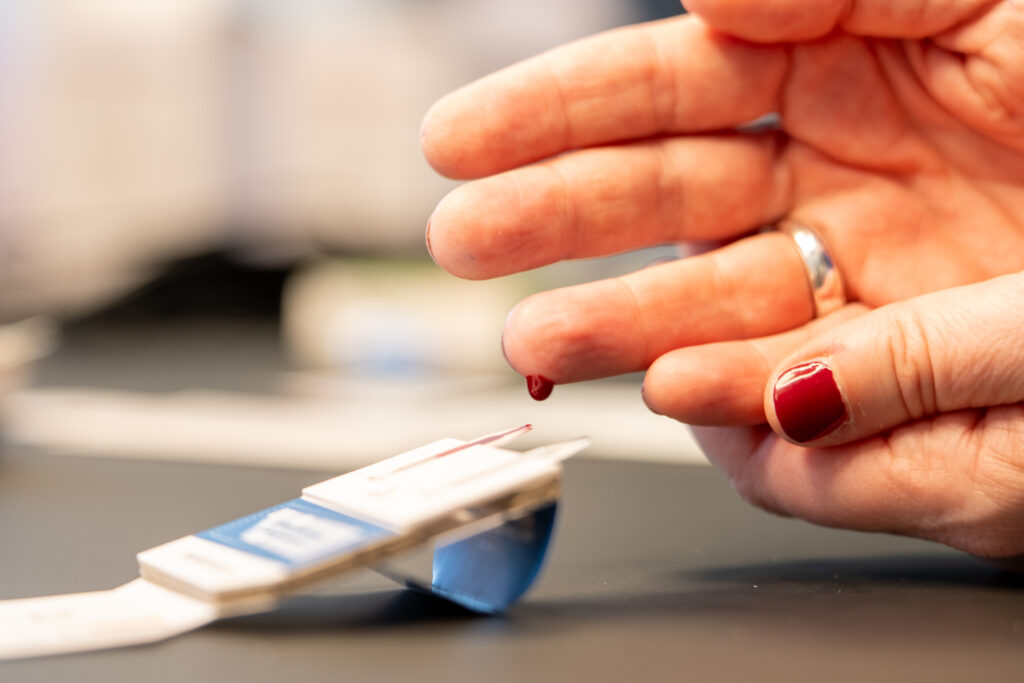
The project will explore how Capitainer®B50 can be used for home sampling as a decentralized pre-screening step in clinical trials.
By enabling participants to provide volumetric dried blood samples from home before visiting a site, the study aims to assess whether microsampling can:
- Broaden access to trials
- Simplify early screening
- Improve recruitment efficiency
We’re excited to see how decentralized sampling can contribute to more flexible and patient-centric trial designs – more insights to come!
🩸 Creatinine – Enabling Decentralized Kidney Monitoring
Creatinine remains a cornerstone biomarker for assessing kidney function and is used daily in the diagnosis and monitoring of chronic kidney disease (CKD).
We have validated creatinine measurement from volumetric dried blood samples collected with Capitainer®, compared with matched liquid blood samples using standard enzymatic assays on routine clinical chemistry analyzers.
Our data demonstrate:
- Reliable and robust performance across clinically relevant concentration ranges
- Compatibility with existing laboratory instruments and workflows
- The possibility to decentralize creatinine sampling – including at-home collection
Flexible implementation:
- Dedicated pre-analytical extraction protocols are available
- Automation can be implemented for both card and liquid handling
- Primary workflows are supported by Capitainer®B50 and B10
- DIP70 enables complementary urine-based monitoring in CKD settings
Decentralized creatinine testing opens new opportunities for remote monitoring, earlier intervention, and improved patient convenience without disrupting established laboratory infrastructure.
🧫 New Resource for Laboratory Professionals
We’ve launched a new dedicated webpage designed specifically for laboratory professionals working with Capitainer® samples. The page provides a structured overview of the full laboratory workflow: from validation and pre-analysis to extraction, downstream analysis, shipping, and biobanking.
Whether you are:
- Establishing validation protocols
- Optimizing extraction procedures
- Automating sample disc handling
- Implementing correction factors
- Evaluating stability and shipping conditions
The page consolidates practical guidance, implementation considerations, and automation options – all in one place.
It also includes:
- Recommended validation approaches using venous blood
- Detailed extraction strategies (aqueous and organic)
- Regulatory and shipping guidance
- Biobanking considerations
Our goal is simple: To make laboratory implementation as structured, predictable, and scalable as possible.
Explore the page and reach out if you would like to discuss workflow optimization or method development.
🌟 Capitainer® Cards in Real-World Use
How does a 50+% improvement in eGFR testability rate sound?
In a recent LinkedIn post, we shared the experience of a laboratory and diagnostics leader using Capitainer® for both at-home self-collection and provider-assisted sampling.
Before using Capitainer®, she described challenges with patients not being able to collect enough sample to perform testing. Since switching to Capitainer®, she reports a 50+% improvement in eGFR testability rate – and is preparing to implement DIP70 for uACR testing to help reduce issues with urine samples breaking in transit.
👋 Welcome to Capitainer, Pinal
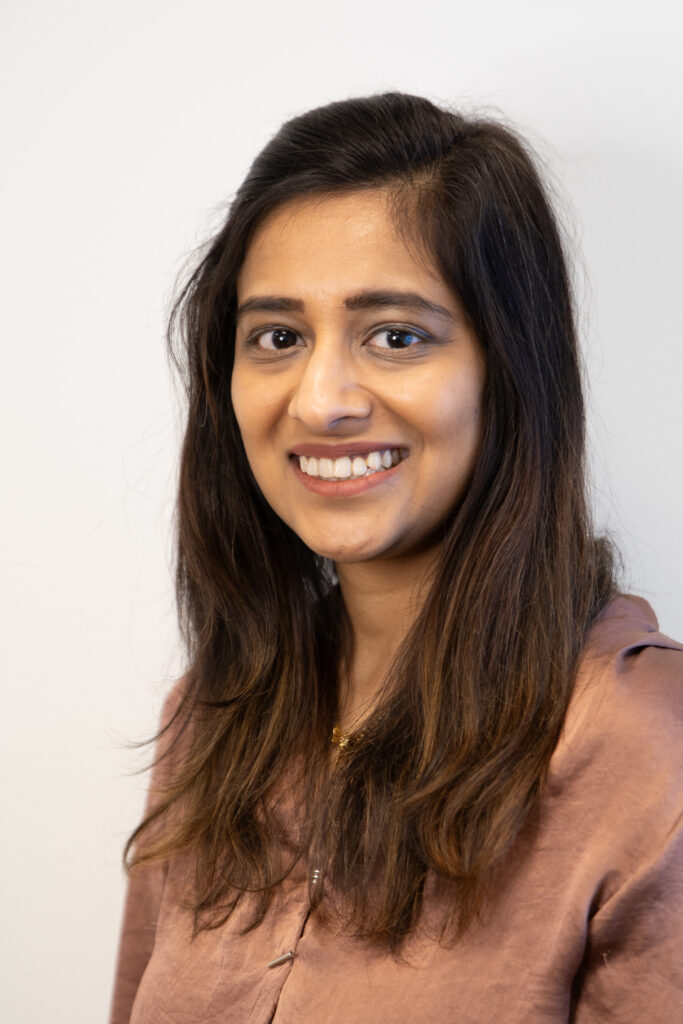
We are pleased to welcome Pinal Shah to Capitainer AB through the Jobbsprånget program.
Pinal holds a PhD in Zoology and brings experience in genomics workflows, nucleic acid processing, and high-throughput laboratory systems. She joins our R&D team to support workflow evaluation and experimental validation.